Our Service

Amazon Promotions & Deals Management

A discount is ad spend paid from your margin. We plan every deal, coupon and promotion with the same break-even math we use for PPC.

Most brands run promotions because the calendar says so. Prime Day is coming, a competitor dropped their price, sales slowed last week. So a coupon goes live, a deal gets submitted and revenue jumps. Then the deal ends. Sales drop back to where they started, or lower. Margin went to buyers who would have bought anyway. Stock ran thin and rank slipped.

A sales spike isn’t the goal. It’s a signal, and the real question is what’s left once the deal is over.

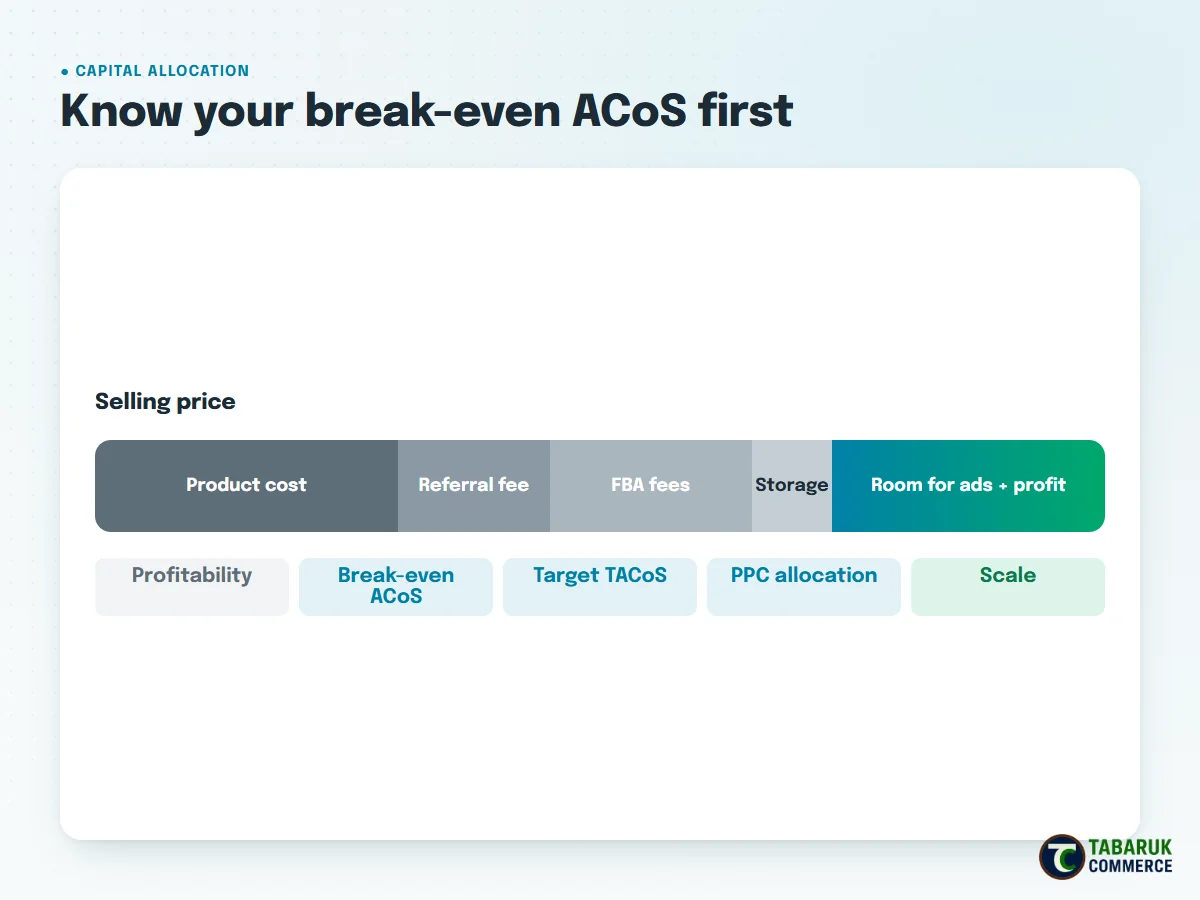
Break-even ACoS: selling price minus product cost, referral fee, FBA fees and storage
Key Features

Why Our Amazon Promotions Work Differently

We don’t judge a promotion by the revenue it shows during the deal. We judge it by what it leaves behind: profit after every promotion cost, rank that holds, and customers who come back.

Break-Even First

Discount, deal fees, coupon costs and ad spend are counted together against your margin before anything goes live.

Conversion Before Traffic

If a listing doesn't convert, we fix it before a deal sends more shoppers to it.

Measured After the Spike

Incremental sales, new-to-brand customers and the post-deal baseline, not just revenue on deal day.

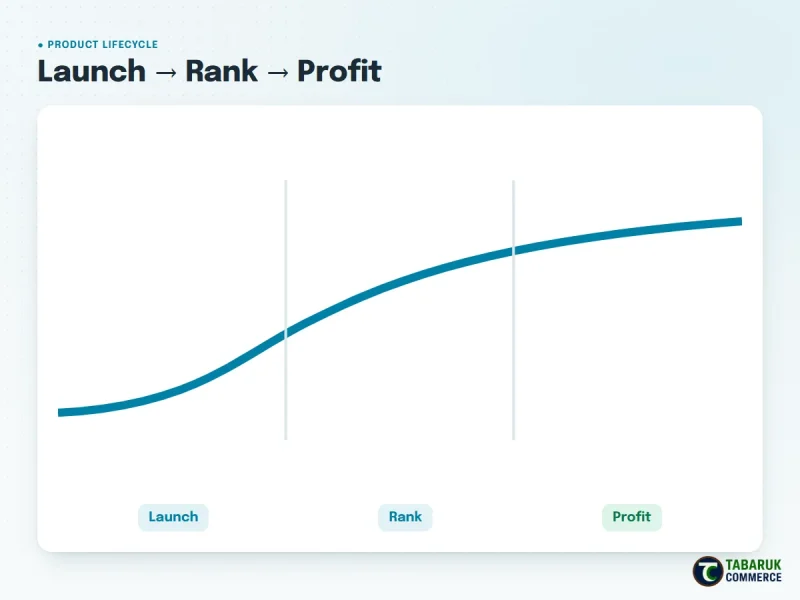
By Product Stage

Matching the Promotion to the Product Stage

A launch-stage discount on a mature product gives away margin for nothing. A profit-stage retention offer on a new product has no audience to reach yet. The stage decides the tool.

01.
Launch: Velocity

First sales, first reviews and early ranking signals, using coupons, Prime Exclusive Discounts and social media promo codes for external traffic.

02.
Rank: Selective Pushes

Lightning Deals and Best Deals timed with tent-pole events and a PPC push, to lift organic position on high-intent keywords.

03.
Profit: Retention

Subscribe & Save and Brand Tailored Promotions for repeat buyers, cart abandoners and brand followers: repeat customers at a lower acquisition cost.

Our Framework

The Promotion Decision Sequence

Every promotion has to pass these six checks, in this order, before it goes live.

Margin→Conversion→Inventory→Eligibility→Stage→Measure
1

Margin

Does the unit stay above break-even once you add the discount, deal fees, coupon redemption costs and extra ad spend? If not, the promotion is a loss with better branding.

2

Conversion

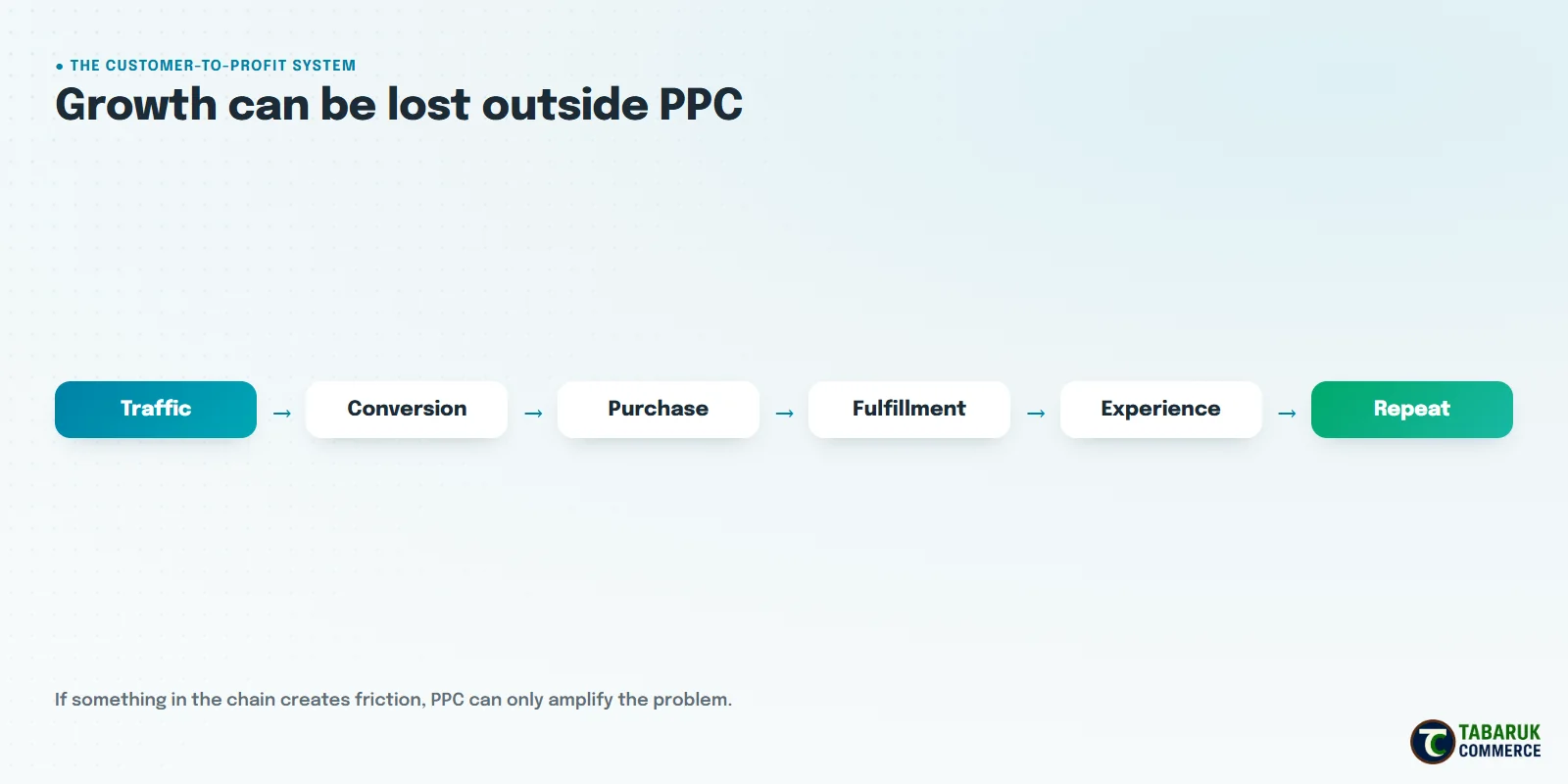
Does the listing already convert? A deal sends more traffic to the same page. If the page loses buyers, the deal just loses more of them.

3

Inventory

Can stock absorb the spike and still cover the weeks after it? A stock-out after a deal gives back the rank the deal earned.

4

Eligibility

Do reference price, ratings and pricing history qualify, and will this promotion stack with another one without anyone noticing?

5

Stage

Is the product in Launch, Rank or Profit? The right promotion depends on the stage.

6

Measure

What did it earn in incremental sales, new customers and post-deal baseline, after every promotion cost is counted?

A deal doesn't fix a listing. It sends more buyers to find out it's broken, faster.

Mudassir Fayyaz, Founder
What We Manage

Every Amazon Promotion Type, Planned Together

Brand Tailored Promotions

Targeted discounts for specific audiences: shoppers who added to cart but didn't buy, repeat buyers, brand followers and high-spend customers. You spend the discount on people who are already close to buying, not on everyone.

Lightning Deals & Best Deals

Deal selection, submission and timing around Prime Day, Prime Big Deal Days, Black Friday / Cyber Monday and your own category's seasonality. Before any deal goes in, we check that the fee, the discount and the stock plan make sense together.

Coupons & Prime Exclusive Discounts

Percentage and fixed-amount coupons, Prime Exclusive Discounts, and promotions like % Off and Buy One Get One. We check for stacking before launch, so a coupon, a deal and a Prime discount don't combine into a price you never approved.

Subscribe & Save

Enrolment and discount-tier planning for consumables and repeat-purchase products. S&S turns a one-time buyer into predictable demand, and it only works when the product and the margin support a repeat discount.

Social Media Promo Codes & External Traffic

Single-use and group promo codes for influencer, social and email traffic, tracked with Amazon Attribution. Where eligible, we set up Brand Referral Bonus so the external sales you drive earn back part of the referral fee.

When Not To

When We Tell You Not to Run a Promotion

Sometimes the most profitable promotion is the one you don't run. We will recommend holding off when:

The margin is below break-even

Discount + fees + ad spend push the unit past break-even.

The listing doesn't convert

Fix the main image, title, bullets and A+ first. More traffic won't fix conversion.

Stock can't handle it

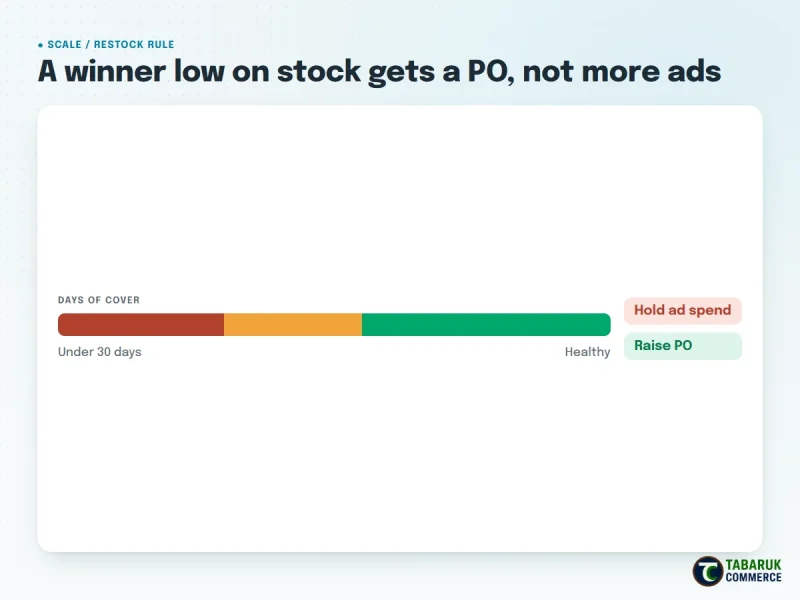
Under 30 days of cover gets a purchase order, not a deal.

It would stack or damage the price

Stacked discounts, or a lower reference price that hurts future deal eligibility.

Promotions and PPC: one budget

We count the discount and the ad spend as one acquisition cost against your target TACOS. The spend isn't split into two separate budgets that each look fine alone.

Within that budget, we push PPC during the deal window. Conversion rate goes up while a deal badge is showing, so we raise bids and budgets on high-intent keywords to capture it, then go back to normal when the deal ends.

A discount is ad spend paid from your margin. It deserves the same break-even math as PPC.

Mudassir Fayyaz, Founder
Big Events

Prime Day, Prime Big Deal Days & BFCM

Prime Day is won in the eight weeks before it and kept in the three weeks after it.

Mudassir Fayyaz, Founder

Most brands treat a tent-pole event as a two-day sale. We treat it as an eight-week plan in four phases, and every client gets a written Event Plan of Action for each one.
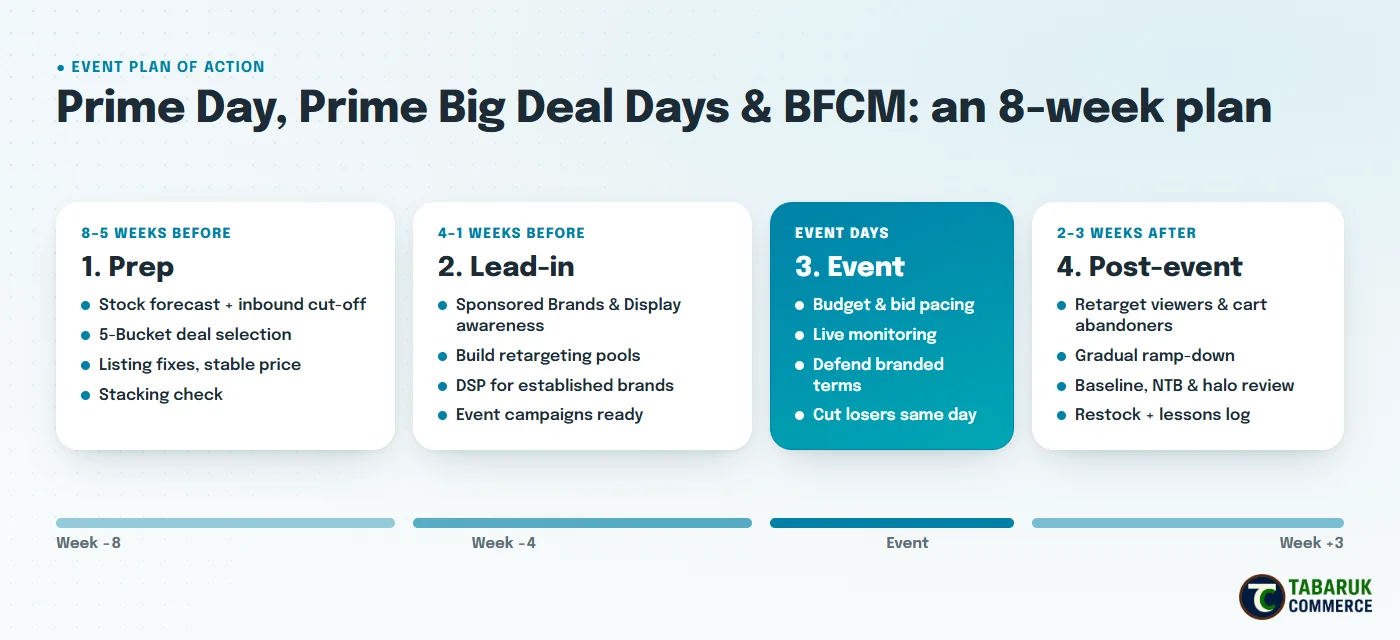
Prime Day, Prime Big Deal Days and BFCM 8-week event plan of action
8–5 weeks before

Phase 1: Prep

  • Stock & inbound deadline. We forecast demand for the event plus the 2–4 weeks after it, and get stock checked in at Amazon before the inbound cut-off. A deal that sells out on day one hands the rank to a competitor.
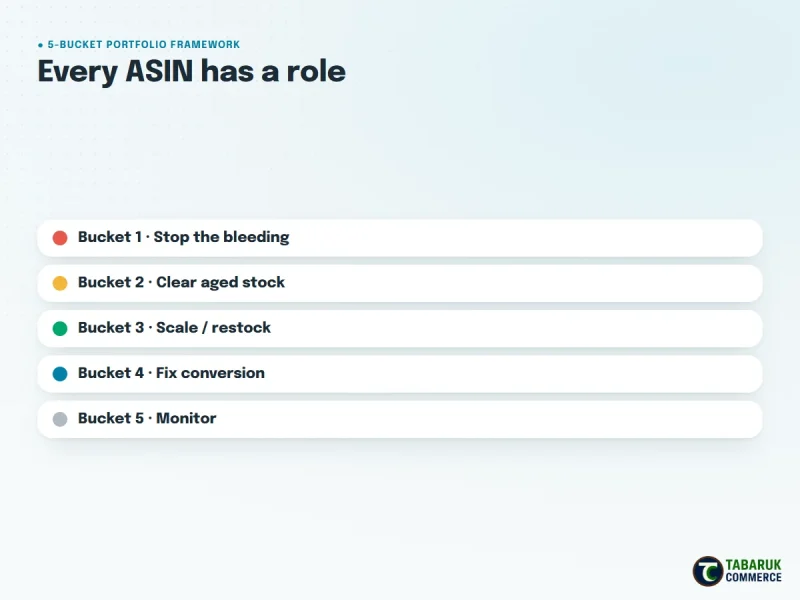
  • Deal selection. Every ASIN goes into the 5-Bucket framework. Winners with stock and margin get a deal. Margin-negative, low-stock or poorly converting products don't.
  • Listing & price prep. We fix conversion problems first (main image, title, bullets, A+) and keep the price stable, so the reference price qualifies and the deal badge shows a real saving.
  • Stacking check. Coupon, Prime Exclusive Discount and deal combinations are reviewed so the final price is one you approved.
4–1 weeks before

Phase 2: Lead-in

  • Build demand before the event. Sponsored Brands and Sponsored Display build awareness and fill retargeting pools. For established brands, DSP adds upper-funnel reach, so interest is already there on deal day.
  • Campaign structure ready. Event campaigns, budgets and bid rules are set up and checked in advance, not built on the morning of the event.
Event days

Phase 3: Event days

  • Budget & bid pacing. Bids and budgets go up on high-intent keywords, and we check pacing through the day so top campaigns don't run out of budget by midday.
  • Live monitoring. We watch the Buy Box / Featured Offer, stock levels, suppressions, hijackers and competitor prices while the event runs.
  • Protect branded terms. We defend branded search and your product pages against competitor ads.
  • Cut what's not working. Keywords and ASINs that lose money during the event are paused or pulled back the same day.
2–3 weeks after

Phase 4: Post-event

  • Retarget event traffic. Shoppers who viewed or added to cart but didn't buy are retargeted with Sponsored Display, Brand Tailored Promotions and, where it fits, DSP.
  • Gradual ramp-down. Bids and budgets come back to normal over days, not overnight, to keep the rank the event built.
  • Baseline & halo review. We compare sales, rank and organic share against pre-event levels, and measure new-to-brand customers and the halo on products that weren't on deal.
  • Restock & lessons log. Winners get restocked quickly, and what worked and what didn't goes into the lessons log for the next Event Plan of Action.

The biggest Q4 risk may be creating more demand than the operation can safely absorb.

Mudassir Fayyaz, Founder
Measurement

How We Measure a Promotion

Revenue during the deal tells you almost nothing. We look at four things:

1

Incremental vs pulled-forward sales

Did the promotion create new demand, or move sales that would have happened anyway to a lower price?

2

Post-deal baseline

Did organic rank and daily sales settle higher than before the deal, or fall back?

3

New-to-brand and repeat customers

How many new customers it brought in (Brand Analytics / AMC) and whether they came back.

4

Profit after promotion cost

Net profit after discount, deal fees, coupon redemption costs and extra ad spend.

The spike isn't the result. The baseline after the deal ends is the result.

Mudassir Fayyaz, Founder
What You Get

What's Included in Our Amazon Promotions Management

For every Amazon marketplace you sell in, planned around your margin, stock and product stage.

Portfolio

Let's Discover Amazing Work By Our Team

From the Founder

How We Think About It

A discount is ad spend paid from your margin. It deserves the same break-even math as PPC.

Mudassir Fayyaz, Founder

A deal doesn’t fix a listing. It sends more buyers to find out it’s broken, faster.

Mudassir Fayyaz, Founder

The spike isn’t the result. The baseline after the deal ends is the result.

Mudassir Fayyaz, Founder

The best promotions don’t buy a sale. They buy a customer who comes back without one.

Mudassir Fayyaz, Founder

FAQ

Amazon Promotions & Deals FAQs

They can, if the listing converts and stock holds after the deal. The sales velocity during a deal is a ranking signal. A stock-out or a sharp drop after the deal can undo it. That’s why we judge deals by the post-deal baseline, not the spike.

It depends on the stage and the audience. Coupons show a visible badge on search results and help click-through. Prime Exclusive Discounts reach Prime members only and show a strike-through price. We choose based on your margin, and we check they don’t stack.

Discounts that go only to chosen audiences, such as cart abandoners, repeat buyers, brand followers or high-spend customers. They’re for brands in Brand Registry, and they work best in the profit stage, when you want to bring back people who already know you.

For consumables and repeat-purchase products, often yes, if the margin can carry an ongoing discount. For one-time purchases it adds little. We check the repurchase cycle and the margin before recommending it.

We start eight weeks out. Deal submissions for major events close weeks in advance, and stock has to be checked in at Amazon before the inbound cut-off. The plan continues for 2–3 weeks after the event, because that’s when you find out whether the rank and the new customers stay.

That’s where most of the value is kept or lost. We retarget shoppers who viewed or added to cart, bring budgets down gradually instead of cutting them overnight, restock the winners, and compare rank and sales to where they were before the event.

No. Some products need a conversion fix, a purchase order or a margin review before any discount makes sense. We’ll tell you which ones and why.

Yes. We create social media promo codes and Amazon Attribution tags so external traffic is measured, and where eligible we enrol you in Brand Referral Bonus.

We treat the discount and ad spend as one acquisition cost against your target TACOS, and push PPC during the deal window within that budget. See our Amazon PPC management service.

Book a free strategy call. We review your account, show you what is holding it back, and give you three actionable next steps, whether you work with us or not.

Request a proposal

Get a Tailored Promotions & Deals Proposal

Tell us a little about your brand. Only your name and email are required, and there's no commitment.

A recommended scope based on where your account is today
A clear plan with priorities for the first 90 days
Transparent pricing, sent within one business day
Prefer to talk it through? Book a free 30-minute strategy call.